As health care providers, we know that movement is medicine—but what happens when anxiety, depression, fear avoidance, or loneliness prevent our older adult patients from fully engaging in rehabilitation? Traditional interventions focus on biomechanics and strengthening, but research shows that addressing psychosocial barriers can significantly enhance patient outcomes. In this dynamic and evidence-based webinar, we’ll explore how integrating psychosocial strategies into your clinical practice can improve adherence, reduce stress-related functional decline, and help patients regain confidence in their mobility.
You’ll learn how to identify signs of anxiety and depression in older adults, tailor interventions for patients struggling with fear avoidance behaviors, and implement communication techniques that foster trust and motivation. We’ll also cover strategies to address sleep disturbances, enhance social engagement, and improve patient adherence to home exercise programs. This is not just about theory—this is about real, practical approaches you can implement immediately to transform your treatment outcomes.
If you’re ready to go beyond standard physical interventions and make a deeper impact in your patients’ lives, this webinar is for you. Join us and take your clinical skills to the next level by integrating the psychosocial components that truly drive functional success in geriatric rehabilitation!
- Introduction
- Welcome
- Why Psychosocial Factors Matter in Geriatric Rehabilitation
- Overview of Evidence-Based Research in Psychosocial Influences in Rehab
- Understanding Common Psychosocial Issues in Older Adults
- Depression & Anxiety
- Recognizing symptoms and their impact on rehabilitation
- Fast, efficient, and evidence-based screening techniques
- Exercise and non-exercise interventional strategies and adaptations
- Loneliness
- Examining its key features, scope, and impact on rehab
- Evidence-based screening techniques
- Educational and implementable interventions to mitigate its effects
- Fear of Falling / Avoidance Behaviors
- How fear of pain and falling lead to inactivity and functional decline
- How to employ evidence-based screening techniques to identify and measure
- Use of both exercise and non-exercise interventional strategies to improve confidence and self-efficacy
- Adherence to Home Exercise
- Learning the impact of low adherence on function and rehab, as well as common barriers to adherence
- Assessing adherence with objective, evidence based scales and basic home measures
- Employing HEP modifications, educational techniques, and cognitive-behavioral strategies to boost adherence
- Therapeutic Alliance
- Recognizing/appreciating the profound impact on outcomes
- Measuring therapeutic alliance with evidence-based, efficient methods
- Communication skills, evidence-based tools, and practical strategies to strengthen patient/therapist alliance
- Health Literacy
- Appreciating its importance in terms of therapy outcomes based on statistical data
- Screening health literacy with valid/reliable tools from the scientific literature
- Applying communication strategies and teaching strategies to enhance communication and retention
- Sleep hygiene
- Role of poor sleep in pain, cognition, and recovery
- Evidence-based screening for sleep disturbance and monitoring of sleep behaviors
- Educational techniques, cognitive-behavioral techniques, relaxation techniques, and exercise adaptations to enhance sleep quality and duration
- Psychosocial concerns in dementia and behavioral disturbance
- Quantifying and describing the psychosocial concerns specific to those with cognitive deficits
- Caregiver inclusive training, communication strategies, environmental adaptations, and novel evidence-based strategies and tools to assuage behavioral disturbance and increase participation
- Putting It All Together – Case Studies
- Breakout groups will tackle two multifaceted, complex cases to employ screening and interventional techniques to successfully diagnose and treat a patient with effective, evidence-based care
- Depression & Anxiety
- Wrap-Up and Questions
- Summary of covered topics and final questions
- Introduction
- Welcome
- Why Psychosocial Factors Matter in Geriatric Rehabilitation
- Overview of Evidence-Based Research in Psychosocial Influences in Rehab
- Understanding Common Psychosocial Issues in Older Adults
- Depression & Anxiety
- Recognizing symptoms and their impact on rehabilitation
- Fast, efficient, and evidence-based screening techniques
- Exercise and non-exercise interventional strategies and adaptations
- Loneliness
- Examining its key features, scope, and impact on rehab
- Evidence-based screening techniques
- Educational and implementable interventions to mitigate its effects
- Fear of Falling / Avoidance Behaviors
- How fear of pain and falling lead to inactivity and functional decline
- How to employ evidence-based screening techniques to identify and measure
- Use of both exercise and non-exercise interventional strategies to improve confidence and self-efficacy
- Adherence to Home Exercise
- Learning the impact of low adherence on function and rehab, as well as common barriers to adherence
- Assessing adherence with objective, evidence based scales and basic home measures
- Employing HEP modifications, educational techniques, and cognitive-behavioral strategies to boost adherence
- Therapeutic Alliance
- Recognizing/appreciating the profound impact on outcomes
- Measuring therapeutic alliance with evidence-based, efficient methods
- Communication skills, evidence-based tools, and practical strategies to strengthen patient/therapist alliance
- Health Literacy
- Appreciating its importance in terms of therapy outcomes based on statistical data
- Screening health literacy with valid/reliable tools from the scientific literature
- Applying communication strategies and teaching strategies to enhance communication and retention
- Sleep hygiene
- Role of poor sleep in pain, cognition, and recovery
- Evidence-based screening for sleep disturbance and monitoring of sleep behaviors
- Educational techniques, cognitive-behavioral techniques, relaxation techniques, and exercise adaptations to enhance sleep quality and duration
- Psychosocial concerns in dementia and behavioral disturbance
- Quantifying and describing the psychosocial concerns specific to those with cognitive deficits
- Caregiver inclusive training, communication strategies, environmental adaptations, and novel evidence-based strategies and tools to assuage behavioral disturbance and increase participation
- Putting It All Together – Case Studies
- Breakout groups will tackle two multifaceted, complex cases to employ screening and interventional techniques to successfully diagnose and treat a patient with effective, evidence-based care
- Wrap-Up and Questions
- Summary of covered topics and final questions
WEBINAR
A webinar is live, interactive video course delivered over the Internet to your computer. You will be able to see, hear and interact with the course presenter. This live, webinar will utilize live instruction, demonstrative videos, power point slides and more. You will have an opportunity to ask questions during the seminar. A comprehensive handout will be made available to you after you register for the webinar. In many courses, demonstrative video will be used to further enhance your learning experience. All written content used in the presentation will also be made available to you for your personal use (Power Point Slides, Reference Materials etc.).
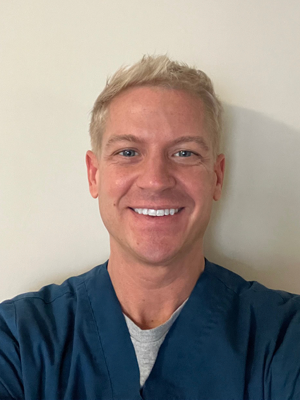
Financial Disclosure: Aaron Baldridge, PT, DPT, CDP, FSOAE a lecturer for GREAT Seminars. He receives payment from GREAT Seminars for the presentation of this course.
Nonfinancial Disclosure: No relevant nonfinancial relationship exists.
Content Disclosure: This course does not focus solely on any specific product or service.
EDUCATIONAL CREDIT: A certificate of attendance for 3 contact hours of educational activity (3 CEUs or 3.0 CEUs depending on how your Practice Act determines CEUs in your state) will be awarded to registrants upon completion of the Recorded Webinar.
OCCUPATIONAL THERAPY: Great Seminars and Books is an American Occupational Therapy Association (AOTA) Approved Provider of professional development. This distance learning independent course, and distance learning interactive course is offered at 0.3 CEUs, intermediate educational level, for categories of Foundational Knowledge and OT Service Delivery. Course approval ID# 13575. Expires 9/27/30. The assignment of AOTA CEUs does not imply endorsement of specific course content, products, or clinical procedures by AOTA. Effective 9/27/25 to 9/27/30. This course is approved by the Florida Board of Occupational Therapy.
PHYSICAL THERAPY:
This course is approved for PTs and PTAs by APTA Arkansas for 3 contact hours. Approval # APTA-AR 2708. No expiration.
This course is approved for PTs and PTAs in California for 3 contact hours by GREAT Seminars and Books, a Continuing Competency Approval Agency of the Physical Therapy Board of California. #GSB000108.
This course is approved by the Florida Physical Therapy Association for 3 contact hours. FPTA Approval Number: CE26-1351338. Exp. 12/31/26.
This course is approved by the Louisiana Board of Physical Therapy for 3 contact hours as: Category: Clinical and Type: Online/Home Study. Exp. 12/31/26.
Great Seminars is a licensed Physical Therapy CE Sponsor with the State of Illinois Department of Financial and Professional Regulations, Division of Professional Regulation. License # 216000032. Exp. 9/30/28.
This course is approved by the Maryland Board of Physical Therapy Examiners for 3 CE Hours. CE Approval #2025-851. Exp. 7/31/29.
This course is approved by the New Jersey Board of Physical Therapy Examiners for 3 contact hours. Approval #2601-178. Exp. 1/31/28.
Great Seminars is an approved provider of continuing education with the New Mexico Board of Physical Therapy. Exp. 12/31/26.
Great Seminars and Books is approved as a sponsor of continuing education for PTs and PTAs through the New York State Education Department, Office of the Professions. Exp. 8/31/27.
This course is approved by the Oklahoma Board of Medical Licensure and Supervision – Physical Therapy Board for 3 contact hours.
This activity is provided by the Texas Board of Physical Therapy Examiners Accredited Provider 2805011TX & meets continuing competence requirements for physical therapist and physical therapist assistant licensure renewal in Texas. Exp. 5/31/28.
Our courses also meet the guidelines for approval in Alabama, Alaska, Arizona, Colorado, Connecticut, Washington DC, Delaware, Georgia, Hawaii, Idaho, Iowa, Indiana, Kansas, Kentucky, Massachusetts, Michigan, Missouri, Mississippi, Montana, Nebraska, New Hampshire, North Carolina, North Dakota, Oregon, Pennsylvania, Rhode Island, South Carolina, South Dakota, Tennessee, Utah, Vermont, Virginia, Washington, Wisconsin, Wyoming.
Please verify the individual licensing board’s rules regarding allowable hours for recorded/online education.
This course is not approved by ASHA or Board of Certification. Any reference to or mention of state rules or regulations concerning continuing education requirements are true and accurate to the best of our knowledge at the time of print. If you have questions, please contact your board or regulating body.
If you do not see your state listed here, please email us at greatseminars@aol.com or give us a call at 877 794 7328.
3 Contact Hours - $99.00
Your Instructor
Unlimited access: Once you have purchased a course, you have unlimited access. You may stop and start and rewind as often as you wish. The course will remain in your cart and you are free to review the content at any time.
Accessing this course: Click on “Enroll Now.” Once you have submitted the registration information, click “Order Now”. You will then see a “Thank You” message. You will be emailed a username, password and information on how to log in to our learning management system (LMS).
Educational Level:Intermediate
Course Format: Online video course
Target Audience: Physical Therapist, Physical Therapist Assistant, Occupational Therapist, Occupational Therapist Assistant.
A post-test will be given at the end of the Webinar. A post-test score of 70% or more is considered passing. Scores of less than 70% indicate a failure to understand the material and the test will need to be taken again until a passing score has been achieved. You will receive a certificate of completion for 3 contact hours.